Countries
Last year, a total of 60 people with a refugee background in Estonia took part in group meetings based on the MindSpring method, organised by the Estonian Refugee Council. The meetings, attended by both young people and adults, provided participants with the confidence needed to cope better in a new country.
The aim of these meetings is to promote the psychological wellbeing of people forced to flee their homes, prevent potential mental health difficulties, and strengthen coping skills and social networks. The MindSpring method, recognised by the European Commission, is unique in that the group meetings are led by a trained facilitator with a similar background, origin and language, who understands the participants’ challenges and thereby creates trust and a sense of safety.
Topics that help people starting life in a new country achieve this include local cultural norms and values, identity, loneliness, stress and trauma and how to cope with them, as well as parenting, conflicts and everyday concerns.
Everyday support for parents
Starting a new life in another country brings many challenges for parents, including adapting to a new language, culture and social environment. Mental health support helps parents better understand and manage their emotions, increase their self-confidence, and find effective ways to cope with daily difficulties. It also supports the creation of a safe and stable environment for their children, which is especially important for their development and wellbeing.
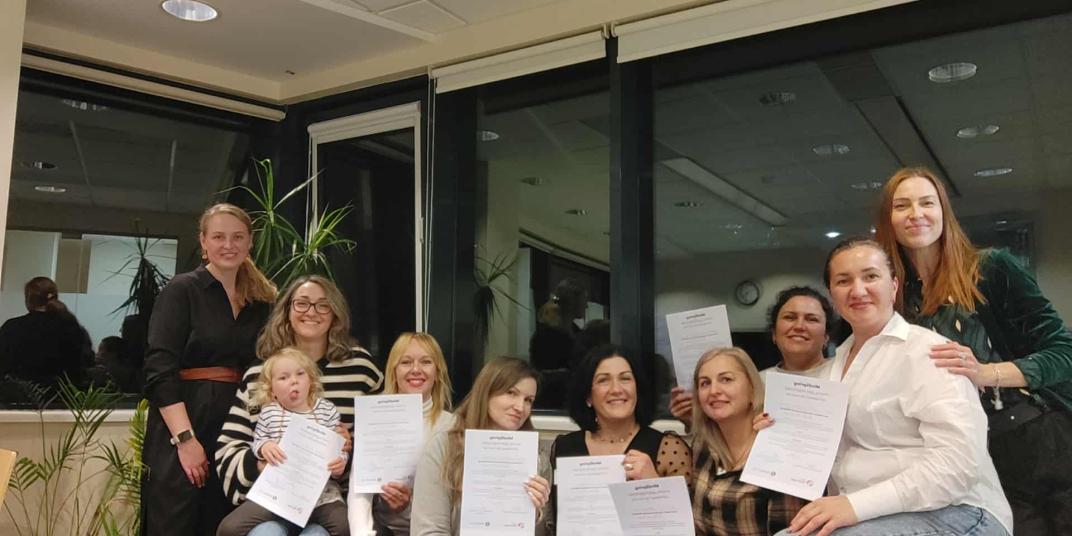
Last year, two parent groups participated in the MindSpring programme led by the Estonian Refugee Council, with a total of 16 women taking part. Through exercises and sharing experiences, participants gained new knowledge about emotional support and how to cope more effectively in a foreign country.
At the end of the MindSpring programme, participants were asked how they assessed their awareness of stress and psychological trauma. Most reported feeling significantly more confident compared to when they first joined the programme. Most also felt much more comfortable communicating with others. At the beginning of the programme, participants were not very confident in understanding social norms, but their awareness and understanding improved considerably during the meetings. Overall, participants now feel better prepared for life in Estonia.
Young people are feeling increasingly confident
Mental health support is equally important for young people, as adapting to a new country, language and school environment can be emotionally demanding and affect their sense of self, identity formation and sense of belonging.
In October, a youth group began meeting in Tallinn, holding a total of eight sessions until December. The meetings covered adapting to a new country, local cultural norms, identity and young people’s rights. Participants also made new friends.
Although awareness of stress and psychological trauma among young people is still relatively limited, it is clearly increasing. The meetings and activities have helped raise their awareness and supported a better understanding of mental health–related topics.
Communication between young people has improved, they have developed a better understanding of local customs, and they feel more confident in the new cultural environment. When asked how prepared they feel for life in Estonia, the greatest improvement was seen in their confidence: they feel more capable of managing daily life and more confident in their decisions and actions.
How does the MindSpring method support recovery after traumatic experiences?
- Creates a safe space for sharing challenges and emotions
- Provides tools for coping with stress and anxiety
- Strengthens social networks and community belonging
- Promotes understanding and acceptance of different cultural norms


